The Key Features of a Vehicle Storage Facility

In coastal North Carolina, car care is a year-round sport. If you love your daily driver or weekend cruiser, the choice of a vehicle storage facility in Wilmington, NC, can make the difference between glossy, problem-free paint and surprise corrosion. StorLogics Self Storage understands that not all options are equal: a vehicle self-storage facility should safeguard against salt air, humidity, and sudden storms. Whether you need short-term parking while you travel or a long-term home for a collector car, an auto storage facility must deliver more than a parking space—it needs smart design, resilient infrastructure, and layers of security. That’s why a storage facility like this with covered bays, climate-minded features, and vigilant monitoring earns its keep. After all, the best car storage facility anticipates coastal conditions so your car stays showroom-sharp.
Below, you’ll find the key features that protect your car in our coastal city.
A Vehicle Storage Facility: What To Look for First
Choosing storage for a car isn’t like grabbing a spare closet for holiday decorations. The right space keeps paint, electronics, seals, and tires in great condition despite humidity and salt air. Start by distinguishing between basic parking and purpose-built protection. Look for thoughtful site design that controls moisture, deters crime, and simplifies daily access. If you can see functional safeguards in place—strong pavement, working drains, bright lighting, covered or indoor bays, and active security—you’re evaluating a space that’s built for cars, not just for convenience.
Security That Sees and Stops
Security is more than a sign by the gate.
You want layers that deter trouble and document activity:
- High-definition surveillance cameras placed to capture entrances, drive lanes, and bays, preferably with 24/7 recording and remote backup.
- Gated & fenced access with unique codes or credentials per user, so entry logs match exactly who came and when.
- Security patrol presence that periodically sweeps the property and coordinates with management on anomalies.
- Bright, uniform lighting across the vehicle storage facility—no dark corners—so visibility remains clear even after sunset.
- Clear sightlines from the office to drive lanes and bays, which reduce blind spots and help staff keep eyes on the flow.
Ask to see camera angles, confirm how long footage is retained, and review gate logs. A facility confident in its safeguards will show you how it all works.
Surfaces, Drainage, and Pest Defense
Under your car, the vehicle storage facility ground matters. A good surface (asphalt/concrete) provides stable support and prevents rutting or uneven settling that can stress tires and suspension. Just as important is drainage: properly graded lanes and bays move water away quickly, which reduces standing puddles that can splash contaminants or encourage rotors to rust. At the coast, a heavy downpour can come out of nowhere; strong drainage design turns a thunderstorm into a non-event.
Don’t overlook pest control. Rodents and insects are opportunists, and an unprotected lot can become an invitation. Professional, ongoing pest management helps keep wiring, insulation, and upholstery off the menu. When staff can articulate their pest prevention schedule and methods, you gain another layer of protection for your car’s most delicate components.
Climate Control, Ventilation, and Salt-Air Mitigation
Coastal humidity and salt exposure are silent threats. Even if you’re not storing a concours winner, moisture can fog instrument clusters, feed mildew, and attack metal surfaces. A climate-controlled or humidity-managed vehicle storage facility can make a measurable difference.
Ask about:
- Ventilation: consistent airflow reduces pockets of stale, humid air around cars.
- Dehumidifiers: targeted units in indoor bays help maintain a stable relative humidity, supporting electronics, leather, and paint.
- Roof coverage: covered or indoor bays block direct rainfall and reduce salt-laden mist settling on surfaces.
For many Wilmington, NC, drivers, climate-minded features are less about luxury and more about long-term preservation. A clean, dry environment helps ensure that the day you turn the key, everything behaves as expected.
Indoor or Covered Bays: Choosing the Right Fit
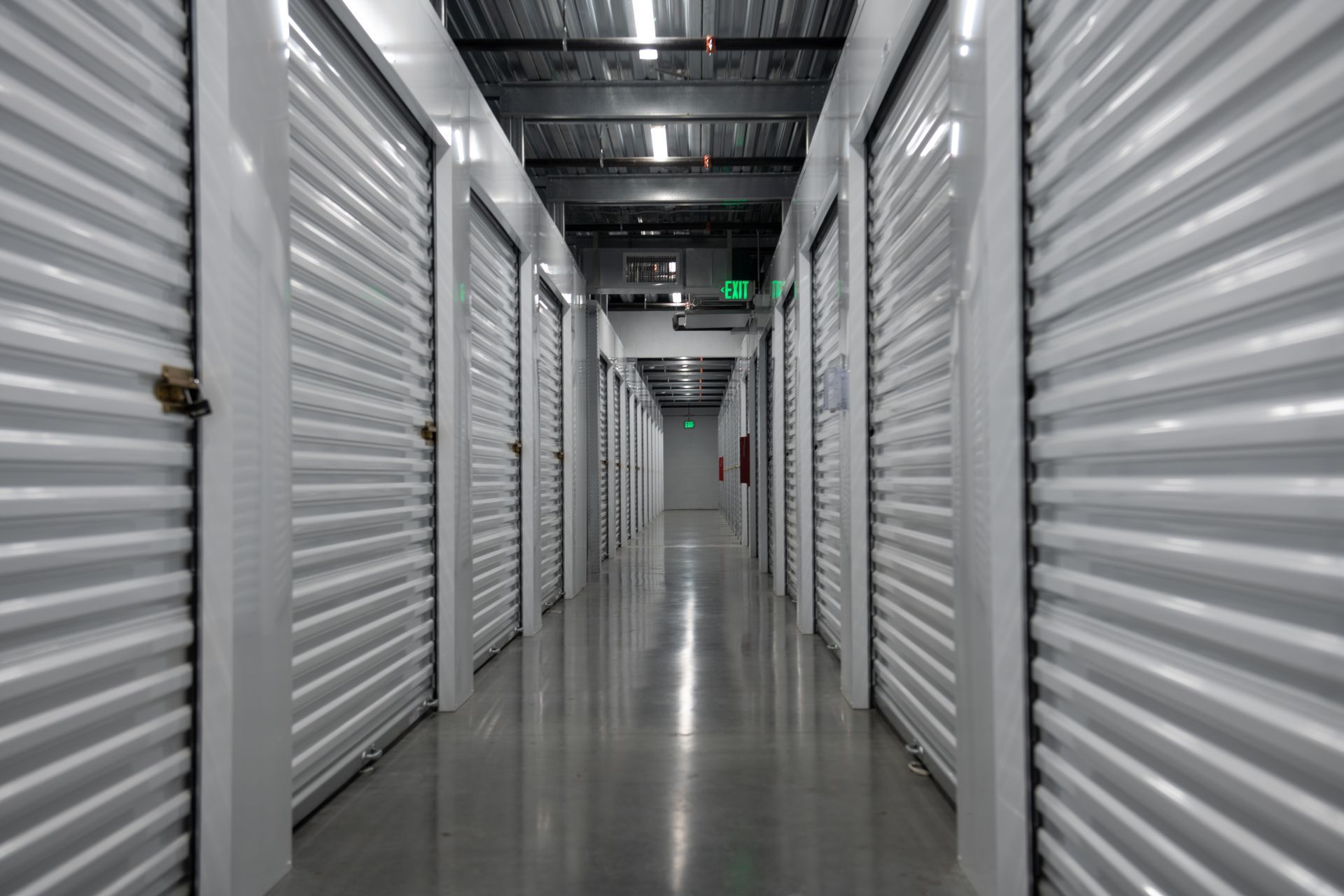
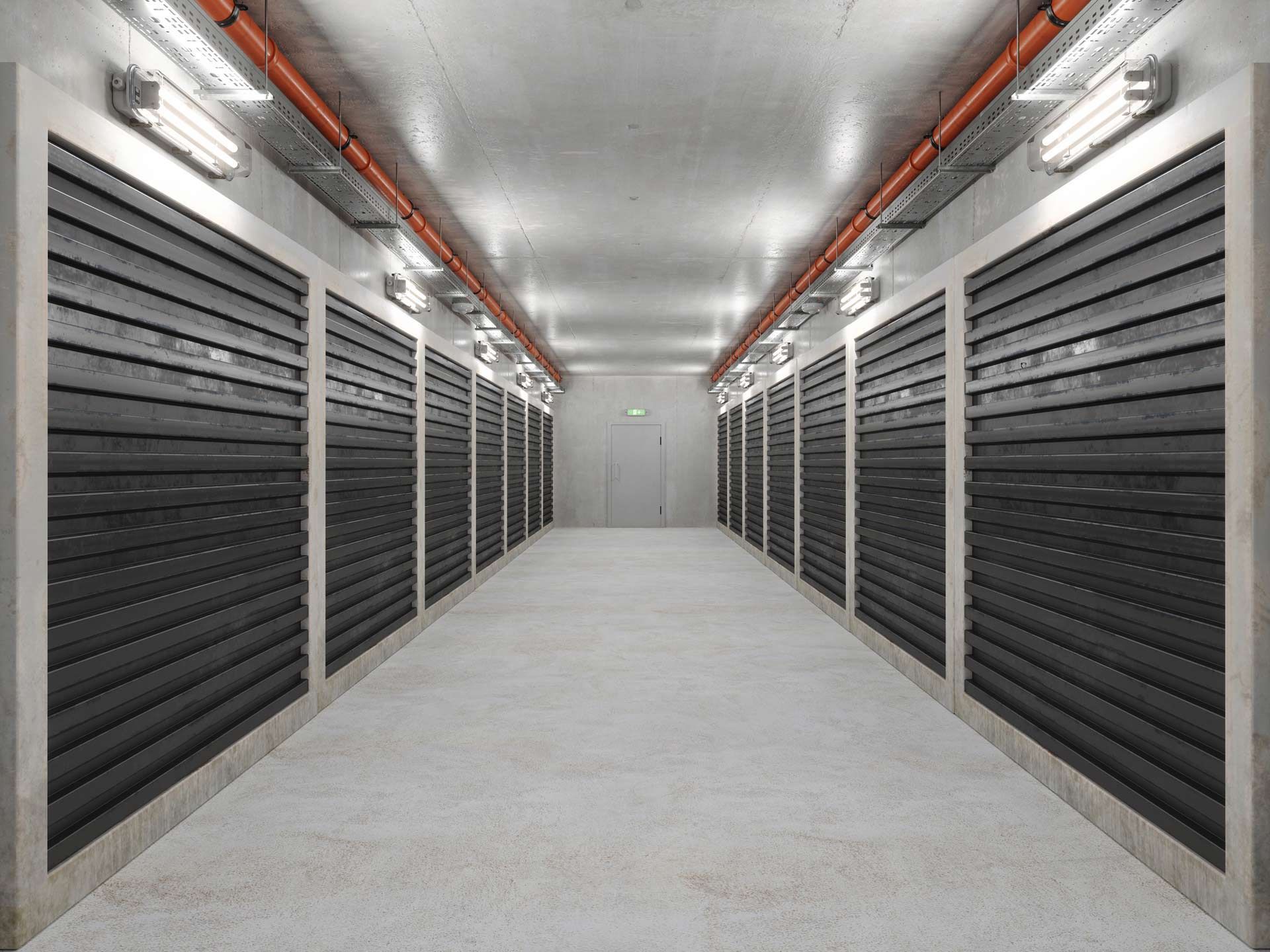
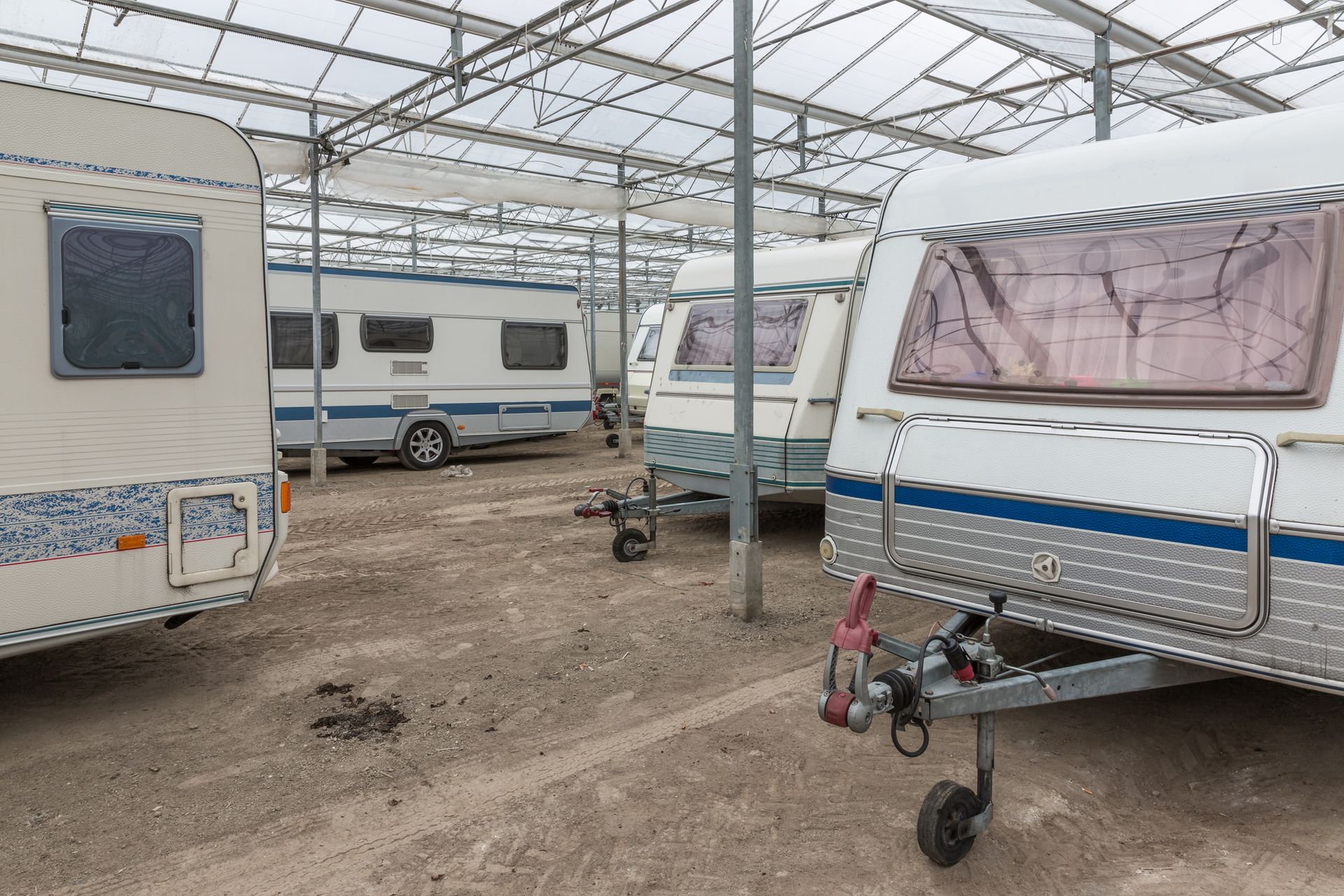
Covered bays shield cars from UV, rain, and debris while allowing drive-in convenience. Indoor bays go further, typically offering climate control and tighter environmental control.
Consider your vehicle’s needs:
- Daily drivers often do well in covered bays with strong lighting and easy in/out access.
- Collectibles, convertibles, and vehicles with sensitive materials benefit from indoor storage with stable humidity and temperature.
- Project cars appreciate covered spaces that keep the worst weather off while providing room to maneuver and inspect.
Look at structural vehicle storage facility details: roofing material, height clearance, and bay spacing. Wider lanes and generous turning radii reduce the risk of accidental dings. Ready to pick the perfect space? Visit our unit sizes page to compare storage sizes, check availability, and lock in your spot today.
Nighttime Visibility and After-Hours Peace of Mind
Lighting matters not just for safety but also for how you feel when you visit. A well-lit property helps you inspect tires, spot leaks, and load gear without fumbling for a flashlight. Good lighting also supports cameras and makes security patrol sweeps more effective. If after-hours access is available, verify policies and confirm that gate systems, lights, and monitoring still operate at full strength. Peace of mind comes from knowing your car is visible, documented, and protected around the clock.
When a Secondary Vehicle Self-Storage Facility Makes Sense
If your driveway is maxed out or you rotate vehicles seasonally, a secondary vehicle storage facility can be a practical extension of your garage. It’s ideal for a weekend convertible that needs shelter from salt air, a winter 4x4 that waits out the off-season, or a project car that needs time and space. Choosing a secondary vehicle self-storage facility with solid pavement, dependable drainage, and covered options keeps maintenance predictable. And if you travel or split time between homes, a secondary vehicle self-storage facility gives you secure, documented access without burdening your primary residence.
Your Walk-Through Checklist
Use your tour to verify details that directly affect car health:
- Stand under covered bays and look for gaps that let wind-driven rain in; continuous roof coverage is best.
- Inspect the pavement: asphalt or concrete should be well-maintained, with no potholes or soft spots.
- Find drains and ask how they perform in heavy storms; staff should have a clear plan for water management.
- Test gate access with your own code, and ask to see the entry log from a recent day.
- Request a brief camera demo—where do cameras point, and how is footage stored?
- Ask about pest control frequency and methods; prevention should be scheduled and proactive.
- Confirm ventilation or climate control specifics in indoor vehicle storage facility areas: target humidity range, maintenance schedule, and filter changes.

Storm Season Readiness on the Coast
Wilmington, NC’s storm season demands foresight. Facilities built for our climate are designed for surges and gusts, not just showers. Elevated site grades and well-placed drains reduce pooling. Covered structures with secure attachments resist uplift. Thoughtful bay orientation can minimize the funneling of wind and salt spray. Inside, humidity management supports electronics and trim during prolonged wet spells. Ask about severe-weather procedures: do staff inspect for debris after high winds? Are there plans for temporary barriers or extra pumps during heavy rain? The best preparation is visible and routine, not improvised at the last minute.
In addition to structural vehicle storage facility readiness, consider how you’ll store the car: a breathable cover (never plastic) to deflect dust, clean seals, topped-off washer fluid with anti-freeze properties, and tires set to recommended pressures. A small, smart battery maintainer can keep your electrical system healthy during longer stays. And keep copies of insurance and registration handy in a secure place so access is simple if you need to move the vehicle quickly.
Contact StorLogics Self Storage Today!
Ready to give your car a safer coastal home? Call StorLogics Self Storage at
910-769-5559 to tour a vehicle storage facility in Wilmington, NC, designed around real-world conditions. If you want consistent security, responsive maintenance, and weather-aware features, choose a vehicle self-storage facility that treats prevention as standard. For weekend cruisers, daily drivers, and collectibles alike, a car storage facility with covered bays, drainage, and climate-minded ventilation pays dividends every season. Your car deserves a storage facility that’s as committed as you are; let’s get you parked with confidence today.